Layered Mandala SVG and Mandala Papercraft for Creative Projects
If you have spent any time browsing crafting platforms or digital design marketplaces recently, you have likely come across layered mandala SVG files and mandala papercraft templates. These two formats have become a quiet staple for anyone who works with paper, vinyl, or digital cutting machines. Unlike generic clip art or basic shapes, a layered mandala SVG offers depth, precision, and a satisfying assembly process that feels more like building than cutting. Mandala papercraft takes that same intricate pattern and turns it into a tangible, dimensional object you can hold, display, or gift. This article walks through what these resources actually are, where they fit into real workflows, and what to think about before you start using them.
What Layered Mandala SVG and Mandala Papercraft Actually Are
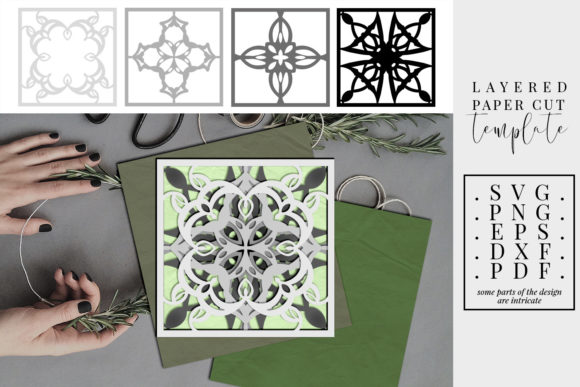
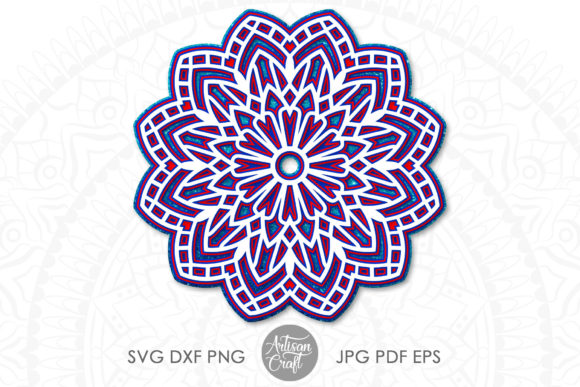
A layered mandala SVG is a vector file designed for use with cutting machines such as Cricut, Silhouette, or Brother ScanNCut. Unlike a single-layer image, these files split the mandala design into multiple separate sheets, each containing a different portion of the overall pattern. When you cut each layer from a different color or shade of cardstock, paper, or vinyl, and then stack them on top of one another using foam pads or adhesive, the final piece has noticeable depth, shadows, and a 3D effect.
Mandala papercraft is basically the same concept applied to heavier paper or cardstock, often with the intention of creating a freestanding or framed decorative piece. You might see these sold as PDF templates for hand cutting, or as SVG files for machine cutting. The end result is something that looks intricate and time-intensive, but the real work is in the file design, not your hands.
What makes these useful is that they remove the guesswork. You do not need to design the layers yourself, figure out which parts overlap, or calculate how much offset to add for the 3D effect. The file has already been tested and spaced. All you do is load your material, hit cut, and assemble.
Home Decor and Personal Spaces
One of the most common reasons people download layered mandala SVG files is to create wall art for their own home. A finished mandala piece can range from small tabletop displays to large framed panels that sit above a sofa or bed. Because you control the colors, you can match the piece to your existing room palette, something you cannot do with a store-bought print.
For example, a hobbyist might choose a deep navy cardstock for the bottom layer, a pale gold for the middle, and a cream for the top layer to create a subtle metallic effect. The same design cut in bright jewel tones would look completely different in a bohemian bedroom versus a modern office. That flexibility is what makes layered mandala papercraft so appealing for personal use.
Another scenario involves seasonal decor. A mandala pattern with floral layer elements can work for spring, while a geometric layered mandala in red and green fits the holiday season. Instead of buying new decorations every few months, you can switch out the colors and paper types to refresh your space without starting from scratch.
Small Business and Product Opportunities
Small business owners, especially those who run Etsy shops or local craft stalls, often use layered mandala SVG files as the foundation for physical products they sell. A finished papercraft mandala can be sold as a completed piece, a kit with pre-cut layers, or a digital download with assembly instructions.
A realistic example is a seller who creates custom framed mandalas for weddings and events. They can offer the couple a choice of three color schemes, cut the layers, assemble them in a shadow box frame, and deliver a personalized gift. Because the SVG file does the heavy lifting on design, the seller can focus on assembly speed, packaging, and customer communication.
Another business angle involves workshops. A local craft studio or freelance educator can run a weekend class where participants choose a mandala papercraft template and assemble it using provided materials. The layered format means even beginners leave with something impressive. The instructor only needs to prepare the cut layers in advance, and the class becomes about placement, adhesive techniques, and finishing touches rather than complex cutting.
For digital product sellers, offering layered mandala SVG files as standalone downloads can be a steady revenue stream. Buyers are often looking for designs that work with specific machine brands and material thicknesses. If your files come with clear instructions, a tested layer count, and suggestions for paper weights, customers are more likely to leave positive reviews and return for additional designs.
What to Watch For in Commercial Use
If you plan to sell physical or digital products made from layered mandala SVG files, always check the license. Some designers allow unlimited commercial use, while others restrict sales to physical items only or require attribution. The difference matters if you intend to build a product line around a specific set of files. Read the terms before you buy, and keep a record of which licenses apply to which designs.
Educational and Therapeutic Applications
Educators and therapists have found layered mandala papercraft useful in ways that go beyond decoration. In a classroom setting, assembling a layered mandala requires following sequential instructions, matching shapes, and applying fine motor control. It is a low-stakes way to practice patience and precision, especially for students who struggle with traditional worksheets.
For example, an art teacher working with middle school students might hand out pre-cut mandala layers and ask each student to assemble the piece using a different color combination. The discussion can then move toward symmetry, radial balance, and how color choices affect visual weight. The hands-on aspect tends to hold attention better than a slide presentation.
In therapeutic settings, the repetitive nature of layering paper can be calming. Some occupational therapists use mandala papercraft as a focused activity for clients who need to practice hand-eye coordination or recover fine motor skills after an injury. The layered format adds a gradual sense of accomplishment as each level is placed, which can be encouraging for someone working through physical or cognitive challenges.
Event Decor and Party Planning
Event planners and party hosts often turn to layered mandala SVG files when they need custom decor that feels elevated but does not require a professional printer. A baby shower, birthday party, or anniversary celebration can feature a large mandala backdrop created from several assembled pieces arranged in a grid pattern. Because you control the color scheme, you can match the event theme exactly.
A specific scenario might involve a quinceañera or Sweet Sixteen where the theme revolves around geometric or floral motifs. The host downloads a layered mandala SVG, cuts the layers from cardstock in the event colors, and mounts them on foam core boards for the photo booth backdrop. The result is photogenic, lightweight, and much cheaper than renting vinyl banners or hiring a decorator.
For smaller events like dinner parties or holiday gatherings, individual mandala papercraft pieces can serve as place card holders, table number stands, or small gifts for guests to take home. The layered design gives each piece a premium feel without requiring expensive materials.
Digital and Hybrid Use Cases
Not everyone who downloads a layered mandala SVG wants to cut paper. Some users import these files into design software to create digital collages, mockups, or social media graphics. The separated layers can be recolored individually, resized, or used as overlapping elements in a larger composition.
A blogger or content creator might use a mandala layer as a background element for a quote graphic or a video thumbnail. Because the SVG is vector-based, it scales cleanly without losing detail. That same file can appear on a website header, an Instagram post, and a printed flyer with no quality loss.
Hybrid creators sometimes combine digital and physical elements. For instance, a freelance marketer could design a layered mandala in their editing software, print the layers at home using a cutting machine, then photograph the finished piece for a product mockup or brand kit. The file serves both as a production asset and a visual prop.
Material and Tool Considerations
Before you commit to a layered mandala SVG or papercraft project, think about the materials you already own versus what you will need to buy. Most layered designs work best with cardstock between 65 lb and 110 lb. Lighter paper wrinkles under the weight of adhesive, while anything heavier than 110 lb can struggle to cut cleanly on a standard machine.
Foam adhesive squares or dots are almost mandatory for achieving the 3D effect. Without them, the layers sit flat against each other and the shadow detail disappears. Plan for about three to five foam squares per layer, depending on the size of the design.
Cutting mats also matter. A new or lightly used mat holds paper in place during the cut, which is critical when your file contains thin lines and delicate center details. A worn mat can cause paper to shift, and a shifted mandala layer is often unusable because the alignment depends on every piece being cut exactly in position.
If you are hand cutting rather than using a machine, choose a mandala papercraft template that labels the layers clearly and includes cut lines that are easy to follow with a craft knife. Intricate curves may be frustrating to cut by hand, so look for designs with fewer, larger elements if you do not have a machine.
Choosing the Right Design for Your Situation
The quality of layered mandala SVG files varies widely. Some are designed by artists who test each layer for fit and balance, while others are auto-generated from basic shapes and may not align properly. Look for files that show the back side of each layer in the preview images, as this confirms the designer considered the stacking order.
Pay attention to the number of layers. A three-layer mandala assembles quickly and is a good starting point for beginners or for projects where speed matters. Five to seven layers give more depth and allow for finer detail, but assembly takes longer and small misalignments become more noticeable. If you are producing dozens of pieces for a market or event, fewer layers may be more practical.
File format also matters. SVG is standard for most cutting machines, but some sellers also include DXF, PDF, or PNG versions. Confirm that the format you receive works with your specific machine and software before you make a purchase. The last thing you want is to buy a file you cannot open on your device.
Realistic Time Expectations
A single layered mandala papercraft piece might take anywhere from fifteen minutes to an hour to assemble, depending on the size and complexity. Cutting time varies by machine and material, but most designs take between five and fifteen minutes to cut. That means a complete piece from download to finished product could take under an hour for an experienced user, or longer if you are learning the process.
Batch production changes the math. If you are preparing twenty identical mandalas for a workshop or product launch, you can cut all the bottom layers together, then all the middle layers, and so on. Assembly becomes a production line. This is worth knowing if you plan to use these files for business purposes rather than personal projects.
Final Practical Thoughts
Layered mandala SVG and mandala papercraft are not trends that will disappear next season. They serve a consistent need for people who want detailed, dimensional designs without needing to learn advanced illustration or paper engineering. Whether you are decorating your living room, building a product line, teaching a class, or creating content for your audience, these files give you a reliable starting point that you can adapt to your own materials, colors, and timeline.
The key is to match the file to your actual situation. If you are short on time, pick a design with fewer layers. If you are selling finished pieces, test the assembly process with your chosen cardstock before you commit to a bulk order. If you are teaching, prepare extra copies of the most fragile layer. Small adjustments like these turn a good file into a smooth experience, and that is what keeps people coming back to this format again and again.