Rolled Flower Crafting: Creative Techniques and Practical Value
If you have ever watched someone transform a simple strip of paper or fabric into a delicate, dimensional bloom, you have witnessed the quiet appeal of rolled flower crafting. This technique, which involves coiling, layering, and shaping materials into floral forms, has moved far beyond hobby tables and craft fairs. Today, professionals across creative fields, small business owners, educators, and content creators are discovering how rolled flower methods can save time, support visual communication, and add a tactile elegance to projects that flat design alone cannot achieve.
What makes rolled flower work so compelling is not just the finished look, but the process itself. It rewards patience while offering predictable results once you understand the core mechanics. Whether you are creating handmade greeting cards, product photography props, digital assets, or event decorations, the ability to produce consistent, beautiful flowers from simple materials opens up practical possibilities you may not have considered.
What Rolled Flower Actually Means for Your Work
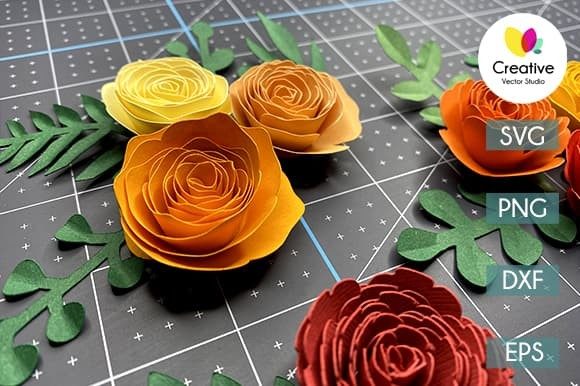
At its simplest, a rolled flower is any flower constructed by rolling or coiling a length of material—often paper, fabric, felt, or ribbon—into a spiral or layered shape that resembles a bloom. The technique varies widely. Quilling uses narrow paper strips coiled with a tool. Fabric flowers involve gathering and rolling strips of cloth. Even digital designers replicate the look using vector tools.
For the reader who creates content, teaches, markets products, or runs a business, the rolled flower technique offers a surprisingly versatile toolkit. It can be used to:
- Create repeatable handmade elements for product packaging or branding
- Photograph styled flat lays and lifestyle images with consistent props
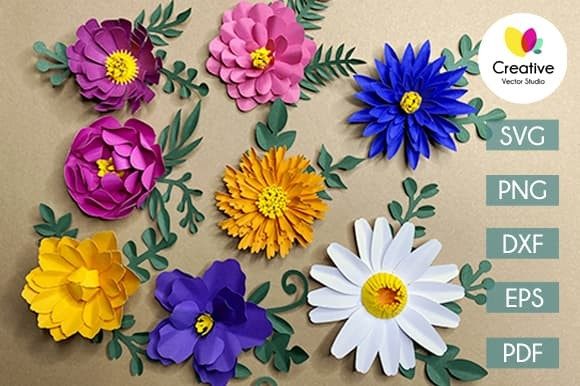
- Design templates for digital products like SVG cut files or printable craft kits
- Teach simple, satisfying projects in workshops or online courses
- Prototype physical products before committing to more expensive materials
The real value lies in how easily the technique scales from a single bloom to a full composition. Once you understand the basic rolling motion and how to secure the shape, you can produce dozens of flowers in a short session—each one slightly unique yet recognizably part of a cohesive set.
Why Creators and Entrepreneurs Are Turning to Rolled Flowers
If you produce content or physical goods regularly, you already know that visual consistency matters. Rolled flowers give you control over color, size, and style in ways that sourcing real flowers or buying premade decorations cannot match. You can match a brand color exactly. You can produce flowers that last indefinitely. You can create the same look next month, next year, or for a repeat order without relying on seasonal availability.
For bloggers and social media creators, rolled flower props offer a reliable visual anchor. A flat lay featuring handmade paper blooms signals care and attention. The texture and dimensionality add depth to photos without requiring expensive lighting or complex styling. Many photographers have built entire aesthetic identities around simple paper flower backdrops, and rolled flowers are among the easiest to produce in volume.
Small business owners selling digital products, craft supplies, or DIY kits can use rolled flower projects as both product and proof of concept. A well-photographed tutorial using rolled flowers demonstrates that complex-looking results can be achieved with basic materials and clear instruction—an appealing message for potential customers looking for confidence in their own abilities.
Practical Benefits That Go Beyond Aesthetics
The rolled flower technique offers several outcomes that directly affect how efficiently you work and how clearly you communicate.
Time Efficiency for Repetitive Tasks
Once you develop a rhythm, rolling a single flower takes seconds. This makes the technique ideal for projects that require multiple identical elements. Wedding invitation suites, classroom decorations, product packaging accents, or event signage can all benefit from a production line approach. You can assemble ten, fifty, or a hundred blooms in a single focused session, then store them indefinitely until needed.
Improved Visual Communication
In presentations, proposals, and educational materials, a physical or photographed rolled flower can communicate texture, craftsmanship, and personality far more effectively than a generic icon or clip art. Teachers have used paper flower models to explain plant structure, symmetry, and geometric patterns. Marketers have used them to demonstrate brand values like handmade quality or sustainability. The three-dimensional form naturally draws attention without requiring elaborate graphic design skills.
Simplified Decision Making for Creative Projects
When you have a reliable technique like rolled flower construction, you eliminate one layer of uncertainty in the creative process. You already know the method works. You already have a sense of how materials behave. This lets you focus your energy on color choices, scale, arrangement, and composition rather than worrying whether a new technique will succeed. For professionals working under deadlines, this reduction in trial-and-error is a genuine advantage.
Who Benefits Most from Rolled Flower Techniques
While the technique is accessible to anyone, certain professionals will find it especially useful.
- Graphic and surface pattern designers who want to translate physical texture into digital motifs or who create assets for clients in the craft industry.
- Product photographers and stylists who need reusable, customizable props that fit a specific color story or theme.
- Educators and workshop leaders teaching design thinking, fine motor skills, or creative entrepreneurship. Rolled flowers are low-cost, high-reward projects that build confidence.
- Event planners and wedding designers who create custom decorations on a budget without sacrificing visual impact.
- Freelance content creators and bloggers building a recognizable visual brand. Having a signature style—like always including a particular paper flower—helps audiences remember your work.
Hobbyists also benefit, especially those who have tried other paper crafts and felt frustrated by complicated folding patterns or fragile results. Rolled flowers are forgiving. If a coil is too loose, you can tighten it. If the shape is uneven, you can adjust by hand. The material cost is low enough that experimentation feels low stakes, which encourages practice and eventual mastery.
When Rolled Flower May Not Be the Best Fit
No single technique solves every problem, and rolled flower crafting has limitations worth considering.
If your project requires extremely precise, identical, machine-perfect shapes, hand-rolled flowers will always carry slight variations. Some clients or applications demand uniformity that only die-cutting or digital fabrication can provide. In those cases, rolled flowers may serve better as inspiration or as a prototype stage rather than the final production method.
Durability is another factor. Paper flowers, even when sealed or coated, are not waterproof or suitable for outdoor use in wet conditions. Fabric versions hold up better but still require protection from dust and crushing. If your project involves heavy handling or outdoor installation, rolled flowers may need reinforcement or replacement after the event.
Finally, the aesthetic itself is not universal. Rolled flowers tend to evoke a handmade, rustic, or romantic feel. If your brand or project calls for ultra-modern minimalism or industrial finishes, the visual language of rolled blooms may clash rather than complement. In those cases, simpler geometric forms or abstract shapes might serve your goals better.
Recommendations for Getting Started with Purpose
If you are new to rolled flower techniques, start with a single material—lightweight cardstock is ideal—and practice the basic coil until it feels automatic. Focus on consistency in tension before moving to layered or multi-petal designs. Once the foundation is solid, experiment with different paper weights, widths, and edge shapes. The same rolling motion produces dramatically different results when you vary the material.
For those already familiar with the technique, consider how rolled flowers can serve a goal beyond decoration. Could they become part of a repeatable product line? Could they be photographed and used as design elements in digital marketing? Could they replace a more expensive or time-consuming prop in your creative workflow? The technique becomes more valuable the more you integrate it into your processes rather than treating it as a standalone project.
If you teach or share your work online, documenting the rolled flower process itself can be just as valuable as the finished product. Timelapse videos, step-by-step photo tutorials, and pattern templates all help others learn while positioning you as a helpful and knowledgeable resource. This aligns directly with Google's emphasis on helpful content: you are providing clear, actionable information that someone else can use.
Thoughtful Observations on a Simple Technique
There is something quietly satisfying about a technique that has existed in various forms for centuries yet still feels fresh. Rolled flowers appear in Victorian needlework, in Japanese quilling traditions, in African paper bead crafts, and in modern maker culture. That longevity suggests a deeper appeal: the pleasure of creating something dimensional from something flat, something beautiful from something ordinary.
For the professional reader, this same satisfaction can translate into professional confidence. Knowing you can produce a polished visual element quickly and reliably means you are less dependent on suppliers, less limited by budget, and more able to respond to client requests on short notice. That kind of flexibility matters in competitive fields.
The best approach to rolled flower crafting is not to treat it as a trend to follow, but as a practical skill to keep in your creative toolkit. Use it when it fits, modify it when it doesn't, and let the results speak for themselves. Whether you are designing a product, styling a photoshoot, leading a workshop, or simply exploring a new medium, rolled flowers offer a path from simple materials to meaningful outcomes—one coil at a time.