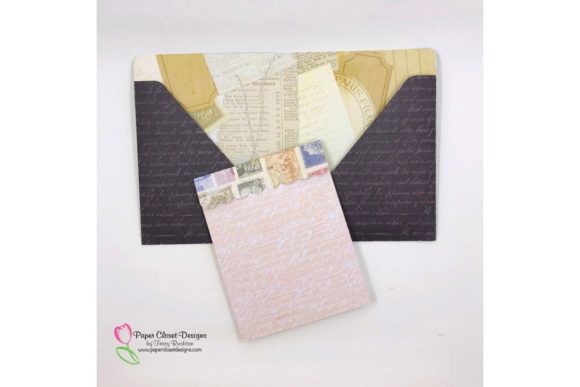
Pocket Folder and Notebook: Building a Better Carry System for Work and Life
Despite the dominance of tablets and note-taking apps, many of us still reach for paper. For creatives, entrepreneurs, and professionals alike, the tactile experience of pen on paper offers a unique combination of focus and recall that’s hard to replicate digitally. But simply buying a notebook and a folder isn’t enough. The real magic happens when a Pocket Folder and Notebook work together as a unified carry system. Without a deliberate approach, they can easily become a source of clutter rather than clarity. Here are the most common mistakes people make with their analog toolkit—and exactly how to fix them.
Mistake 1: Forcing a Single Tool to Do Both Jobs
It is surprisingly common to see professionals shoving loose meeting handouts, business cards, and receipts into their notebook. This creates a bulky, uneven mess, and papers inevitably fall out or get crumpled. Conversely, trying to take coherent meeting notes on a loose sheet inside a folder rarely works well. Notes get mixed up with reference documents, and the natural flow of an idea is constantly interrupted by shuffling paper.
The Correction
Give each tool a clear job. Let the pocket folder handle the "transport" layer: current action documents, forms, and items to be filed or scanned. Let the notebook handle the "synthesis" layer: brainstorming, meeting minutes, personal journaling, and daily task lists. When they do need to interact, make it intentional—for example, pulling a printed agenda from the folder, taking notes in the notebook, then filing the agenda back in the folder. This single shift in mindset eliminates the bulk and confusion of a mixed system.
Mistake 2: Ignoring Size and Format Mismatches
It is surprisingly common to see an A5 notebook paired with a standard letter-size folder. The paper sticks out awkwardly, gets dog-eared immediately, and looks sloppy in a client meeting or classroom. This small error in judgment signals disorganization and can undermine your professional credibility, even if your work is excellent.
The Correction
Commit to one paper size for your portable system. If you work in North America, a letter-size folder paired with a letter-size discbound or spiral notebook creates a seamless fit. If you prefer international travel or a smaller footprint, commit to A4 or A5 across the board. The goal is that every piece of paper you receive or produce fits neatly within the folder, and your notebook matches its footprint exactly. A matching set is more than aesthetics—it is functional harmony.
Mistake 3: Buying a "System" Instead of Building a Workflow
It is easy to get drawn into expensive, pre-designed folio systems with multiple slots, zippers, and pen loops. While they look beautiful, they often force you to adapt to someone else’s idea of organization. You might end up with a slot for a phone you never carry or a section for cards you don't use. These empty slots quickly become junk drawers, and the system feels more like a maze than a helpful tool.
The Correction
Always start with your workflow. Do you need quick access to a single notebook and a few sheets of paper? A simple two-pocket poly folder and a top-bound notebook might be all you need. Do you need to carry a tablet, a notebook, and business cards? A slim folio with specific pockets for those items works better. Map your daily carry needs first, then find the hardware that matches. A minimalist, matched setup will almost always outperform a feature-heavy system that doesn't fit your routine.
Mistake 4: The Digital Divider (Not Bridging the Gap)
One of the biggest mistakes freelancers, entrepreneurs, and marketers make is treating their analog system as an island. Notes get taken, papers get collected, but nothing ever gets digitized or acted upon. The folder becomes a "paper black hole," and the notebook becomes a graveyard of great ideas. Over time, this erodes trust in the system, and you eventually stop using it entirely.
The Correction
Build a short "Scan and Review" routine into your week. Keep a portable scanner or a high-quality scanning app on your phone. Every Friday, clear out your pocket folder. Scan business cards directly into your contacts, file action documents into cloud storage (Dropbox, Google Drive, or a client folder), and recycle what is done. Then review your notebook: highlight the top three action items and transfer them to your digital task manager. This routine transforms your analog tools into a powerful input channel, not just a storage bin. It respects the strengths of both paper and digital systems.
Mistake 5: Prioritizing Aesthetic Over Paper Quality
This is the classic "bleed-through" trap. You buy a beautiful, affordable notebook because the cover looks great, only to find your favorite fountain pen or gel pen bleeds and feathers through every page. The experience becomes frustrating, and you stop using it. On the flip side, you might buy a rugged, waterproof notebook with thin, glossy paper that feels terrible to write on. The result is a system that looks good but performs poorly.
The Correction
Test before you invest. If you use liquid ink (fountain pens, rollerballs, or fine liners), look for notebooks with at least 80gsm paper, or specifically labelled "bleedproof" or "Tomoe River." If you are a ballpoint or fineliner user, you have more flexibility, but still check for feedback. For the folder itself, check the material. A poly folder is waterproof and durable for daily carry in a backpack, while a textured cardstock folder is lighter and more professional for a desk environment. Your pen and paper relationship determines how much you enjoy the process—never sacrifice that for a pretty cover.
What to Check Before You Commit
Before you finalize your pocket folder and notebook combination, run through these quick checks:
- Lay-Flat Ability: Does the notebook open flat on a desk for comfortable writing? A notebook that curls up is a constant annoyance during long writing sessions.
- Closure Mechanism: Does the folder have a secure closure (elastic, snap, or zipper)? Loose papers falling out during a commute or in a client lobby is a disaster you want to prevent.
- Refillability: Can you replace the notebook insert, or are you locked into one expensive brand? A standard refillable system saves money and waste over time and allows you to keep the same folder while refreshing the content.
- Portability: Will it fit in your primary bag? A system too big for your go-to backpack or briefcase will be left at home. Measure first.
Building a System That Lasts
A well-chosen pocket folder and notebook combination is one of the most effective productivity tools you can own. It provides a physical anchor for your ideas and a structured home for your papers. By avoiding these common mistakes—mixing roles, ignoring size, skipping digital integration, and buying for looks alone—you can build a system that actually supports your daily work. Start simple, match your tools to your real workflow, and you will wonder how you ever got by on apps alone. The goal is not perfection; it is a system you trust enough to use every single day.