Brand Identity Mockup: A Practical Evaluation for Designers and Business Owners
Presenting a brand identity before it reaches the public is one of the most important steps in any branding process. A brand identity mockup serves as the bridge between concept and reality, giving clients, stakeholders, and teams a tangible preview of how a brand will look across different touchpoints. Whether you are a freelance designer refining a logo suite, a marketing manager preparing a pitch, or a small business owner visualizing your new brand, understanding what a strong mockup offers can save time, reduce revisions, and improve the final outcome.
What a Brand Identity Mockup Actually Is
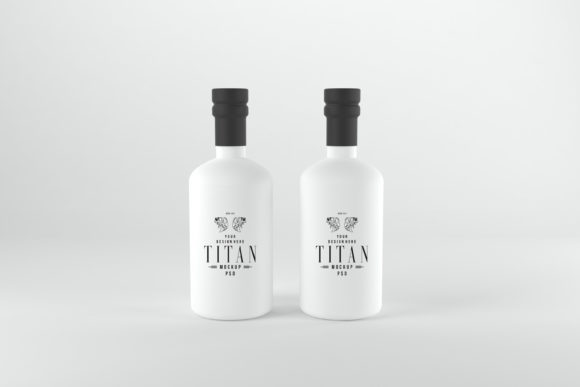
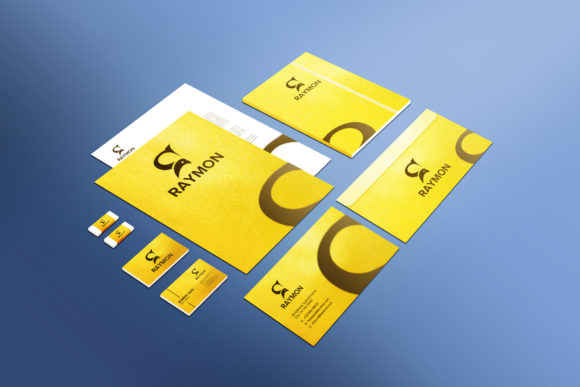
At its core, a brand identity mockup is a visual representation that assembles the key elements of a brand—logo variations, color palette, typography, patterns, and supporting graphics—into a realistic context. Unlike a simple logo file or a style guide PDF, a mockup places these elements on items such as business cards, packaging, signage, digital screens, apparel, or stationery. The goal is to show how the identity behaves in real environments rather than in isolation.
What makes a brand identity mockup worth discussing is its role as a decision-making tool. It allows you to evaluate scale, contrast, readability, and emotional impact before committing to production. It also helps non-designers grasp the full scope of a brand system. When done well, it reduces ambiguity and aligns expectations early in the project.
Key Characteristics and Purpose
A well-constructed brand identity mockup typically includes several components working together. The most effective ones provide:
- Contextual realism: The mockup places branding elements on realistic surfaces and environments, using accurate lighting, shadows, and perspective.
- Scalability options: It shows the identity at different sizes and formats, from a small social media icon to a large storefront sign.
- Material and texture variation: Good mockups simulate how colors and finishes appear on matte paper, glossy plastic, fabric, or digital screens.
- Modular layout: Multiple elements can be swapped or rearranged without rebuilding the entire scene.
The purpose of these characteristics is practical. A brand identity mockup is not just a decorative presentation—it is a diagnostic tool. It reveals whether a logo loses legibility when printed small, whether a color combination works on both white and dark backgrounds, and whether the overall system feels cohesive when spread across multiple items.
Strengths and Practical Value in Real-World Use
One of the strongest arguments for using a brand identity mockup is the reduction of costly errors. When a design remains only on screen in flat files, inconsistencies can go unnoticed until after printing or development. A mockup surfaces those issues early. For example, a gradient that looks vibrant on a monitor may appear muddy when simulated on a textured business card mockup. Spotting that early allows for adjustment before production begins.
Another practical value is communication. Designers often struggle to convey to clients why certain spacing, color, or typography choices matter. A mockup that shows a logo on a crowded shelf or a storefront alongside competitors makes those choices intuitive. Clients can see for themselves why breathing room or contrast matters, rather than taking the designer’s word for it.
From a workflow perspective, a well-structured brand identity mockup also saves time during revisions. Instead of creating individual presentations for each application, a single mockup file that supports smart layers or linked assets allows quick updates. If the logo changes, every instance within the mockup updates automatically. This is especially valuable for agencies managing multiple brand projects simultaneously.
Quality, Usability, and Flexibility
Not all brand identity mockups are created equal. The quality depends largely on the source and the construction method. Professionally created mockups from reputable marketplaces or studios tend to include high-resolution renders, thoughtful lighting, and organized layer structures. They are built to handle common design file formats and often come with documentation.
Usability is heavily influenced by file structure. A mockup using smart objects in Photoshop, for instance, is straightforward for anyone familiar with basic layer editing. More advanced options might include 3D renders that require software like Blender or Cinema 4D. The most flexible mockups offer multiple angles, color variants, and the ability to hide or show elements like shadows or backgrounds. A stationary mockup that includes both front and back views of a letterhead, for example, gives more value than a single flat view.
Flexibility also extends to customization. The best mockups allow you to change not just the artwork but also the base color of the object, the environment lighting, or the surface texture. This adaptability is essential when presenting to clients who want to see the same identity on both a premium matte finish and a recycled paper stock.
Consistency, Reliability, and Presentation
A brand identity mockup should reinforce consistency across all touchpoints. If the mockup itself is inconsistent in lighting or perspective, it undermines the professionalism of the presentation. Reliable mockups maintain uniform lighting direction and color temperature across different items in the same set. This makes it easy to assemble a cohesive brand board without spending extra time color-correcting each element.
Presentation quality matters because the mockup is often the first time a client or stakeholder sees the brand as a system. A polished, realistic mockup conveys credibility and attention to detail. It signals that the designer has considered the brand beyond the logo file. On the other hand, a poorly executed mockup with distorted proportions or harsh shadows can distract from the brand itself and create unnecessary doubt.
Long-term value comes from mockups that can be reused across multiple projects. A versatile set of mockups for packaging, signage, and digital devices can serve a designer for years. Investing in a high-quality collection that follows standard layer naming conventions and includes global lighting controls pays off over time.
Who Benefits Most and When
The audience for a brand identity mockup is broader than many assume. Freelance graphic designers and branding specialists use mockups daily to present concepts during pitches and milestone reviews. For them, a mockup is not optional—it is part of the standard workflow. Marketing professionals and brand managers use mockups internally to test how a new identity aligns with existing materials before rolling it out. This is especially important in companies with multiple product lines or sub-brands.
Small business owners and entrepreneurs who manage their own branding also benefit. A brand identity mockup helps them evaluate design work purchased from freelancers or agencies. By requesting a mockup before finalizing files, they can ensure the identity works in practice, not just in theory. Educators teaching branding or design principles use mockups to illustrate concepts like visual hierarchy and system cohesion.
For bloggers, content creators, and publishers, a lighter version of a mockup is useful when creating consistent visual assets for social media, presentation templates, or merchandise. Even if they do not need a full-scale brand system, seeing how a color palette and logo work on a mock phone screen or a notebook cover helps maintain a cohesive look across platforms.
Realistic Examples and Practical Recommendations
Consider a scenario where a designer is rebranding a local coffee shop. Using a brand identity mockup that includes a coffee cup sleeve, a storefront sign, a menu board, and a takeaway bag allows them to test how the new logo and pattern interact with curved surfaces and different materials. They can see if the warm brown tones still read well on a kraft paper bag or if the typography becomes too small on the sleeve. This real-world simulation often leads to refinements that improve the final printed result.
In a digital context, a mockup showing the identity on a website header, a mobile app icon, and an email signature helps evaluate legibility at varying screen sizes. This is especially relevant for brands that depend heavily on online presence. A logo that works on a wide monitor may lose detail on a small phone screen, and a mockup makes that discrepancy obvious.
When selecting or building a brand identity mockup, prioritize files that include documentation on how to edit layers, swap colors, and adjust lighting. Avoid mockups that rely on heavy plugins or obscure file formats unless you are certain your workflow supports them. If you work across multiple projects, opt for modular mockup sets that let you mix and match items rather than all-in-one scenes that are harder to customize.
Possible Limitations to Consider
No tool is without limitations, and brand identity mockups have a few worth noting. First, a mockup is still a simulation. Subtle issues like ink bleeding on porous paper or the exact reflection of a metallic foil cannot always be perfectly predicted. For critical projects, always request physical proofs for final approval.
Second, over-reliance on mockups can lead to a false sense of precision. A mockup that looks perfect may still hide issues like color inaccuracy due to monitor calibration differences or paper stock variations. Always cross-reference mockup visuals with actual color swatches and material samples.
Third, poorly constructed mockups can be more trouble than they are worth. If the layer naming is confusing, the lighting is harsh, or the resolution is too low for print-level detail, the mockup may create more confusion than clarity. Invest time in selecting high-quality sources or learning to build your own basic mockups tailored to your common use cases.
Evaluating Fit for Your Goals
Deciding whether a brand identity mockup fits your needs depends on your workflow and the stakes of the project. If you are presenting to a client who needs to approve a full brand system, a mockup is nearly indispensable. If you are a solo creator building a personal brand, a simpler mockup for social media and basic stationery may be sufficient. If you work in a fast-paced agency handling multiple rebrands each month, a library of flexible mockups becomes a productivity tool as much as a presentation tool.
Consider also the learning curve. Most mockups using smart objects or replaceable layers require only basic software skills. However, if your team uses unconventional tools or prefers vector-only workflows, check compatibility before purchasing. The best mockup is the one that integrates smoothly into your existing process without forcing a change in how you work.
Ultimately, the value of a brand identity mockup is measured by how well it supports informed decision-making. It should clarify, not complicate. When chosen thoughtfully and used correctly, it becomes a reliable check before committing resources to production. For designers, marketers, and business owners alike, it is a step that turns abstract identity systems into something you can see, evaluate, and improve with confidence.